
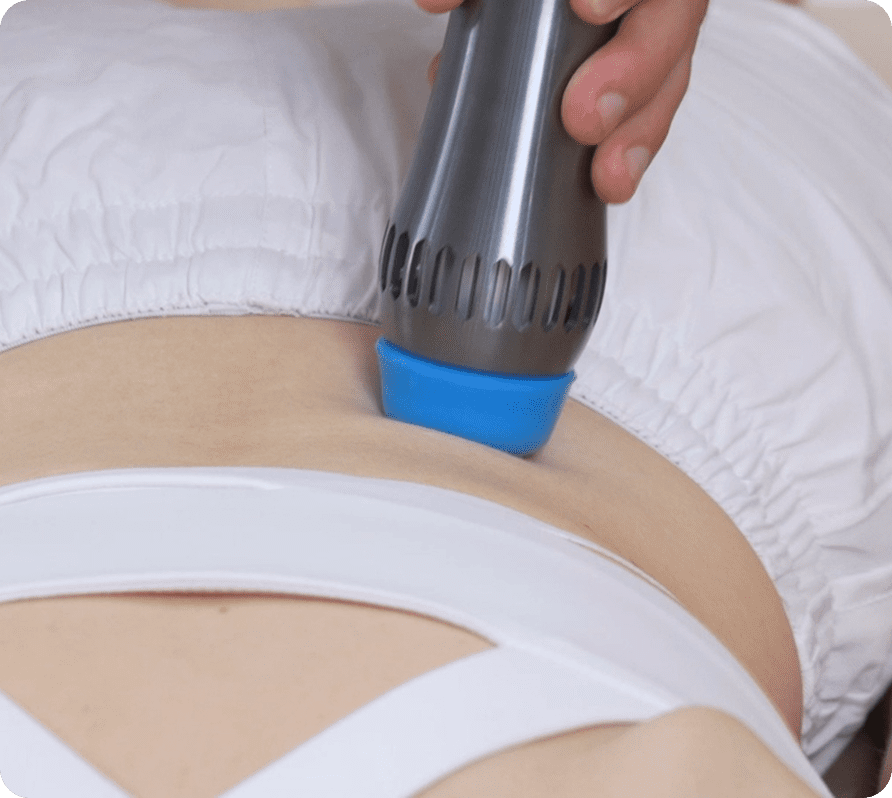
Calcific Tendonitis
Calcium deposits within a tendon, causing pain and limited mobility.
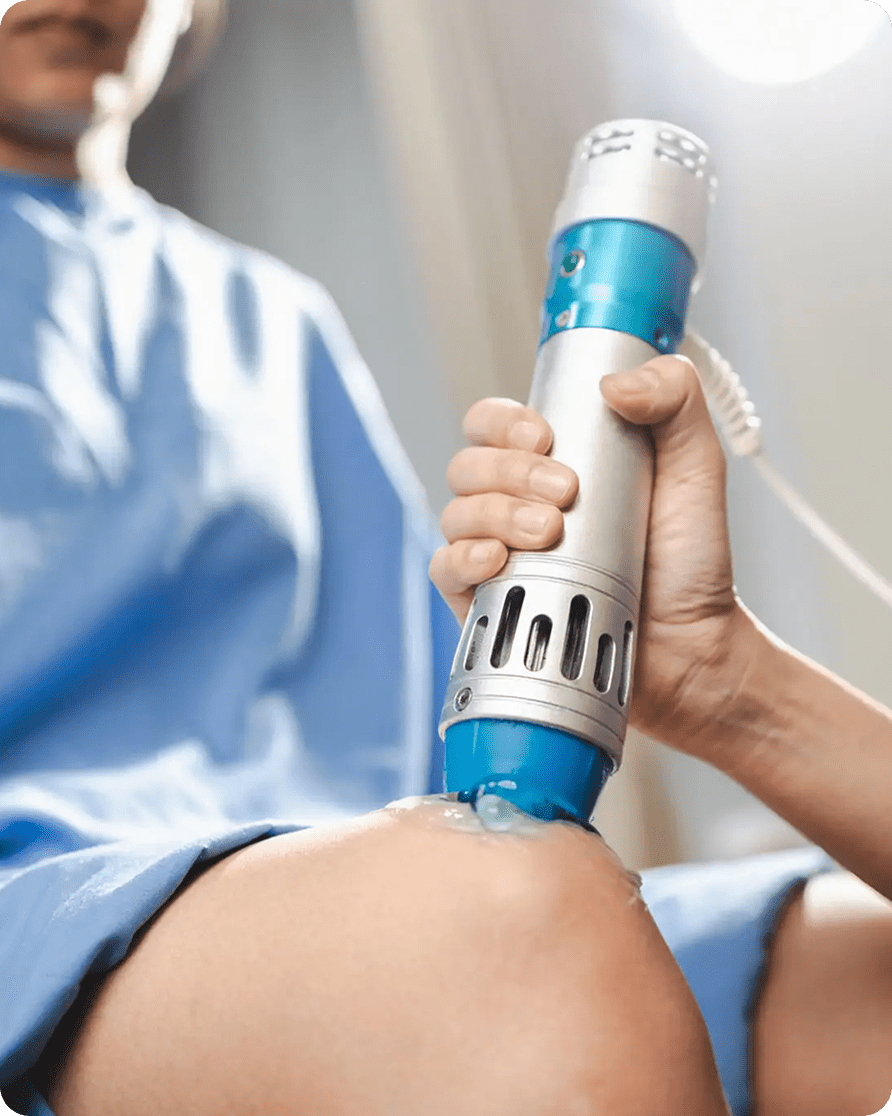

How Long Does It Take for Shockwave Therapy to Work?
Most patients are eager to know how quickly they can expect results from shockwave therapy. While some may feel improvement immediately after the first session, the majority will notice significant benefits after three to six sessions, spaced out over several weeks. Complete healing and the full effects of the treatment may take even longer, depending on the severity of the condition being treated.
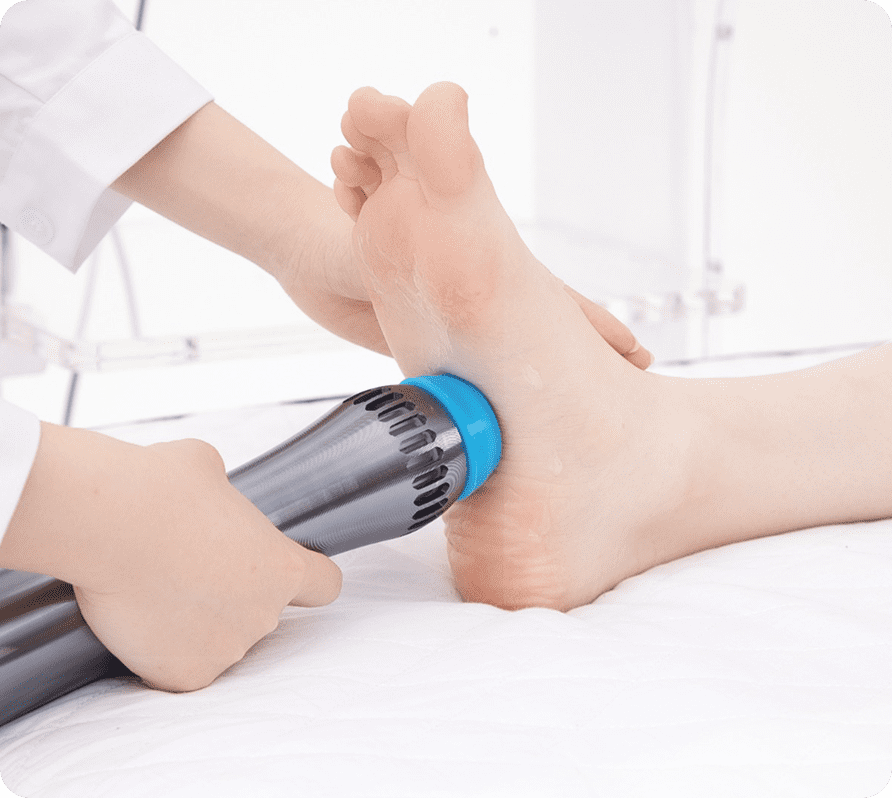
Shockwave Therapy is a versatile treatment that can address a wide range of musculoskeletal issues. It's particularly effective for chronic tendonitis, plantar fasciitis, and Achilles tendonitis. It's also used to treat conditions like tennis elbow, golfer's elbow, jumper's knee, and shoulder tendinitis. The therapy is beneficial for those who suffer from pain related to these conditions and are seeking a non-invasive treatment option.
Moreover, Shockwave Therapy can be a boon for patients with calcific tendonitis or those who suffer from heel spurs. By targeting specific areas with acoustic waves, the therapy can stimulate healing and provide significant pain relief. It's a treatment that spans various conditions, offering a non-surgical solution to chronic pain.
During the shockwave therapy session, you might feel some discomfort, akin to quick, repetitive tapping on the skin. However, this sensation is typically manageable, and the intensity of the shockwaves can be adjusted to your comfort level. The procedure is relatively short, usually lasting about 15 to 20 minutes, which helps in minimizing any discomfort experienced.
After the treatment, it's not uncommon to have some soreness in the treated area, similar to what you might feel after a vigorous workout. This is a normal response and indicates that the healing process is underway. The discomfort is usually temporary and should subside within a day or two.
Yes, Shockwave Therapy can be repeated if necessary. The number of sessions you may need depends on the severity and duration of your condition. Typically, a course of treatment involves 3 to 5 sessions, but some patients may require additional sessions for optimal results. It's important to follow the guidance of your healthcare provider and to allow sufficient time between sessions for the body to respond to the treatment.
Moreover, some patients may find that they experience continued improvement over time and may choose to have another round of therapy later on if symptoms reoccur. As with any medical treatment, it's essential to discuss the frequency and number of treatments with your healthcare provider to ensure the best care plan for your specific needs.
Preparing for a Shockwave Therapy session is straightforward. It's recommended that you:
Avoid taking anti-inflammatory medications for at least 48 hours before the session, as these can interfere with the body's natural healing process.
Wear comfortable clothing that allows easy access to the area being treated.
Have a light meal a few hours before your appointment to ensure you're comfortable and not distracted by hunger during the session.
Additionally, it's important to discuss any concerns or questions you may have with your healthcare provider before the treatment. This will help you go into the session feeling prepared and at ease.
After a Shockwave Therapy session, it's normal to experience some immediate pain relief, although the full effects of the treatment may take a few weeks to manifest. Here's what you can typically expect post-treatment:
Mild soreness or bruising in the treated area, which should diminish within a few days.
A possible increase in your range of motion and flexibility as the pain decreases.
Guidance from your healthcare provider on any follow-up care, which may include specific exercises or temporary activity modifications to aid in recovery.
It's crucial to follow any aftercare instructions provided by your healthcare provider to ensure the best possible outcome. Most importantly, be patient with your body as it heals and responds to the therapy.